
The factory floor is getting smarter, and it’s not just about adding more robots. Manufacturing is entering a new era where artificial intelligence doesn’t just crunch numbers—it operates directly in the physical world, making real-time decisions that could transform how products are made.
Beyond Traditional Automation
For years, manufacturers have relied on automation to cut costs and boost efficiency. While those gains were significant, today’s challenges demand something more sophisticated. Labor shortages, increasing product complexity, and pressure to innovate faster are pushing companies beyond simple robotic assembly lines.
The difference now is intelligence that can adapt on the fly. Instead of pre-programmed robots following rigid sequences, we’re seeing AI systems that can observe, learn, and adjust their behavior based on what’s happening around them in real-time.
What Physical AI Means for Users
From a consumer perspective, this shift toward “physical AI” in manufacturing could mean several tangible benefits:
Better Product Quality: AI systems can spot defects and inconsistencies that human inspectors might miss, leading to more reliable products reaching store shelves.
Faster Innovation: When manufacturing systems can adapt quickly to new designs and specifications, companies can bring improved products to market faster.
Customization at Scale: Physical AI could enable mass customization, where products are tailored to individual preferences without the traditional cost penalties.
Real-World Applications
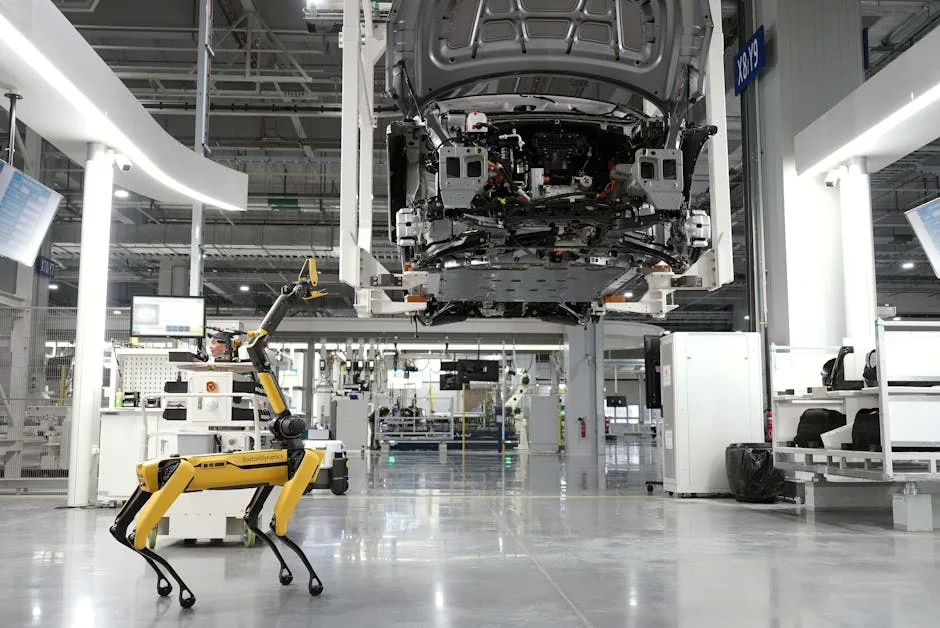
Imagine a car assembly line where AI vision systems can instantly detect if a paint job isn’t quite right and automatically adjust spray patterns for the next vehicle. Or a electronics factory where robotic systems can handle delicate components with the precision of a skilled technician, but with the consistency of a machine.
These aren’t futuristic concepts—they’re happening now. The key difference is that modern AI can handle the unpredictability of the physical world in ways that traditional automation simply couldn’t.
The User Experience Impact
For everyday consumers, the most noticeable impact might be in product availability and quality consistency. When manufacturing systems can quickly adapt to supply chain disruptions or quality issues, it means fewer product shortages and more consistent experiences across different batches of the same product.
This is particularly relevant in industries like automotive and electronics, where complex products require precise coordination of thousands of components. Physical AI can help ensure that whether you buy a smartphone in January or June, the build quality and performance remain consistent.
Looking Ahead
The integration of AI into physical manufacturing processes represents a significant shift from the isolated automation tools of the past. Instead of replacing human workers entirely, these systems are designed to augment human capabilities and handle the routine, precision-critical tasks that benefit most from AI’s consistency and speed.
For consumers, this evolution in manufacturing AI promises products that are not only made more efficiently but also with greater attention to quality and customization. As these systems become more prevalent, we can expect to see improvements in everything from the cars we drive to the devices we use daily.
Sources
- Why physical AI is becoming manufacturing’s next advantage – MIT Technology Review