
The world of AI-powered coding tools is experiencing a fundamental shift. While GitHub Copilot and similar IDE integrations have made individual developers more productive, the next wave of AI coding assistance is thinking bigger – much bigger.
From Individual Help to Team Coordination
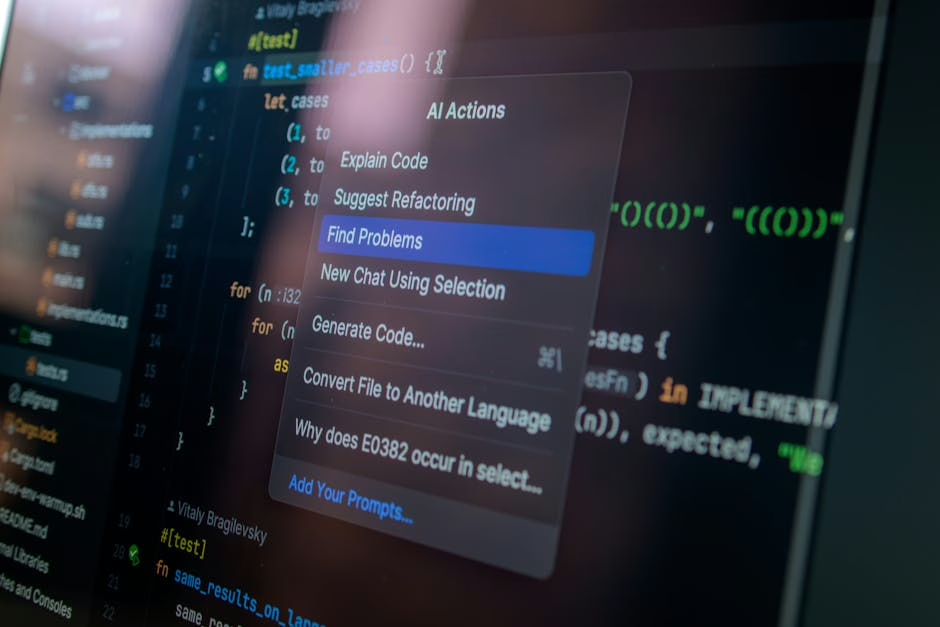
Traditional AI coding tools like Copilot excel at helping one programmer at a time. They suggest code completions, catch bugs, and even generate entire functions based on comments. But real software development isn’t a solo activity. It involves teams of developers working together, making decisions, and coordinating across multiple projects and timelines.
This is where the limitations of current tools become apparent. Your AI assistant might help you write cleaner code, but it can’t help your team decide which features to prioritize, track long-running architectural decisions, or keep everyone aligned on project goals.
The Human-Centric Approach
The evolution toward more sophisticated AI coding tools reflects a broader trend in artificial intelligence: moving from pure automation to human-centric intelligence. Instead of replacing developers, these tools aim to amplify human capabilities and improve collaboration.
Startups like Humans& are pioneering this approach, raising significant funding to build what they call a “central nervous system” for human-plus-AI teams. The idea isn’t to code for you, but to help coordinate the complex web of decisions, priorities, and communications that make software projects successful.
What This Means for Everyday Developers
For developers using tools like Cursor, VS Code with Copilot, or other IDE integrations, this shift represents an exciting evolution. Instead of just getting better autocomplete suggestions, you might soon have AI assistants that can:
- Help coordinate code reviews across team members
- Track and explain the reasoning behind architectural decisions
- Suggest when to refactor based on team velocity and project timelines
- Bridge communication gaps between technical and non-technical stakeholders
The User Experience Challenge
The biggest hurdle for these next-generation tools will be user experience. Current AI coding assistants work because they integrate seamlessly into familiar environments – your IDE, your terminal, your existing workflow. Coordination tools need to be even more thoughtful about how they fit into developer workflows without adding complexity or cognitive overhead.
The most successful tools will likely be those that feel invisible until you need them – surfacing relevant information and suggestions at exactly the right moment, rather than demanding constant attention.
Looking Ahead
As AI coding tools mature beyond individual assistance, developers should expect a more collaborative future. The tools that win won’t just make you a faster programmer – they’ll make your entire team more effective at building software together.
This evolution represents a natural progression from the current generation of coding assistants. While Copilot and similar tools revolutionized individual productivity, the next wave promises to transform how development teams work together in the age of AI.