

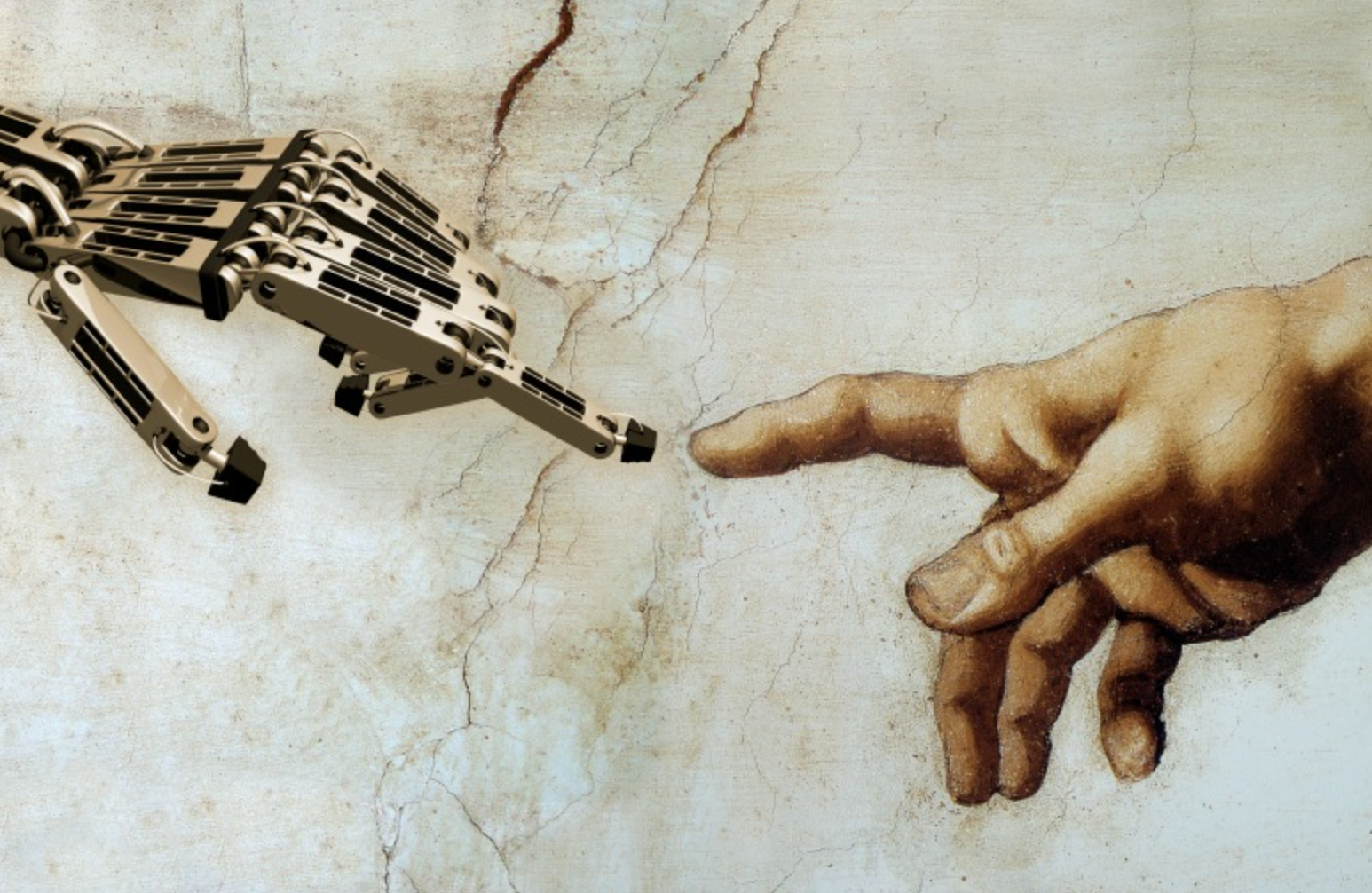

In an age where artificial intelligence intersects almost every aspect of life, its integration into religious practices, particularly in sermon creation and delivery, is sparking both interest and debate. As churches explore AI’s potential to craft and even deliver sermons, the implications for faith communities are profound, blending ancient tradition with cutting-edge technology.
Artificial intelligence has made its way into religious settings, from enhancing biblical scholarship to generating entire church services. In Germany, a church service conducted by AI-driven avatars, which included prayers and sermons, showcased the technology’s capability to handle religious content. This experiment highlighted both the potential and the peculiarities of AI in delivering sermons that resonate with human emotions and spiritual needs.
Theological Implications
AI’s role in religion raises fundamental questions about the essence of spiritual guidance. Can a machine truly encapsulate the emotional depth and human connection that form the core of religious experience? While AI can certainly provide content, the lack of genuine empathy and understanding poses a significant challenge. The experiment in Germany, for instance, received mixed reactions, with some attendees noting the service felt lacking in genuine emotional engagement
Using AI for sermon preparation offers practical benefits, such as access to extensive theological resources and streamlined content creation, which can aid pastors in sermon development. This technological assistance is seen as a tool to enhance, not replace, the human touch essential in spiritual leadership (Lifeway Research). However, the dependency on AI for spiritual messages introduces ethical concerns, particularly regarding the authenticity of the message and the potential for AI to shape religious doctrines in subtle ways.
Practical Applications and Boundaries
The integration of AI in religious practices is not about replacing pastoral roles but augmenting the church’s capabilities in reaching and teaching its congregation. AI can help bridge gaps in accessibility, allowing those who cannot physically attend church to still participate in a meaningful way. However, the technology should be used judiciously, ensuring it supports rather than dictates religious experiences.
The response from religious communities varies widely. Some embrace the technology for its potential to innovate and reach broader audiences, while others remain skeptical about its role in spiritual contexts. The key is finding a balance where AI is used responsibly, enhancing the delivery of religious teachings without undermining their sacredness.
Conclusion
As AI continues to evolve, its role within religious contexts likely will expand, prompting ongoing discussions about its impact on faith practices. By navigating these technological waters with care, religious communities can utilize AI to uphold and spread their cherished beliefs in an increasingly digital world.