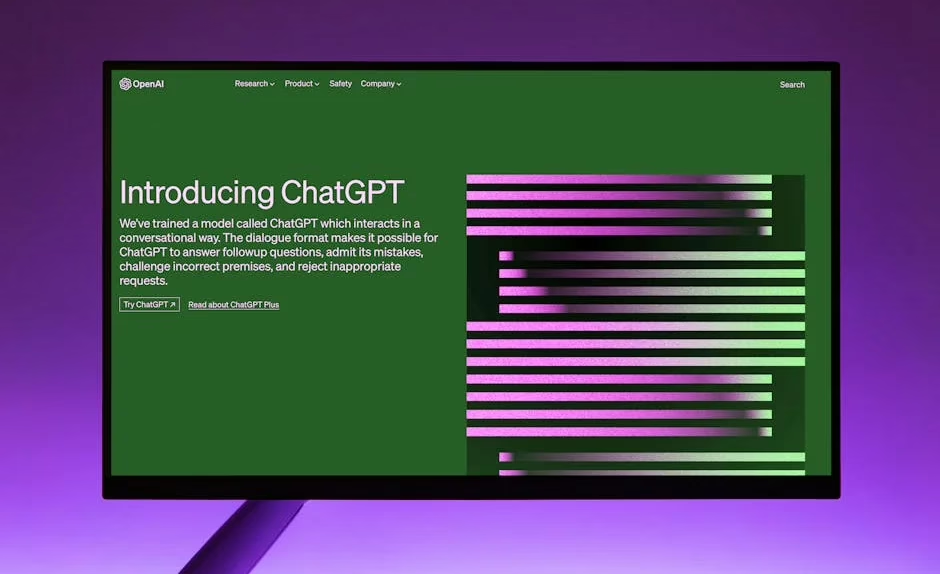

OpenAI on Tuesday released ChatGPT Images 2.0, a major upgrade to its image generation capabilities that can create complex infographics, slides, maps, and manga with multilingual text support. According to OpenAI’s announcement, the new `gpt-image-2` model is now available to ChatGPT users across all subscription tiers and through the company’s API.
The update represents what VentureBeat described as “a fundamental shift in how the company views visual media,” coming just months after OpenAI’s December release of GPT-Image-1.5. Early users testing the model on LM Arena AI under the codename “duct tape” reported significant improvements in text generation within images and realistic reproduction of user interfaces.
Enhanced Text and Visual Capabilities
ChatGPT Images 2.0 introduces several breakthrough features that address previous limitations in AI-generated imagery. The model can now generate long blocks of text within images, create disparate text panels in the same visual, and produce realistic screenshots of popular websites and platforms.
The system demonstrates particular strength in multilingual text generation, allowing users to create content with text in multiple languages within a single image. OpenAI confirmed the model can also generate floor plans, image grids containing multiple smaller images, and character models from various angles.
Additionally, the upgrade includes the ability to perform web research and incorporate those results directly into generated images. Users can also upload their own imagery and apply the new features to existing visual content, expanding the model’s utility for editing and enhancement tasks.
Technical Architecture and Performance
The new release encompasses both the `gpt-image-2` model for API users and a suite of “Thinking” features for ChatGPT subscribers. This dual approach allows developers to integrate the advanced image generation capabilities into their applications while providing enhanced reasoning capabilities for direct ChatGPT users.
Early testing revealed the model’s capacity to reproduce real-life figures, including OpenAI CEO Sam Altman, with remarkable accuracy. The system also demonstrates improved instruction following compared to previous versions, building on the enhanced colors and lighting introduced with GPT-Image-1.5 in December.
The model’s ability to create complex visual layouts, including infographics and presentation slides, positions it as a potential competitor to traditional design tools. Users have reported successful generation of everything from technical diagrams to creative manga-style illustrations.
Altman’s AGI Timeline and Industry Impact
Separately, Sam Altman has made headlines with comments about ChatGPT’s development roadmap and its relationship to artificial general intelligence (AGI). According to reports from industry publications, Altman described a hypothetical “ChatGPT 5.5” as potentially being “the last major milestone before AGI,” though OpenAI has not officially announced such a model.
These comments come as OpenAI continues expanding its AI capabilities across multiple domains. The company’s focus on visual generation represents part of a broader strategy to create more capable AI systems that can handle diverse content types beyond text.
The timing of the Images 2.0 release also coincides with increased competition in the AI image generation space, as companies like Anthropic and Google continue developing their own visual AI capabilities. OpenAI’s emphasis on multilingual support and complex visual layouts appears designed to maintain its competitive position in enterprise and creative markets.
World Project Expands Beyond Cryptocurrency
While OpenAI advances its core AI models, Altman’s other venture, Tools for Humanity, has been expanding its World project beyond its original cryptocurrency focus. The company announced partnerships with Tinder and other platforms to provide “proof of human” verification services using iris-scanning technology.
According to Wired’s coverage, 18 million people have now been verified using World’s Orb devices, up from 12 million last year. The project aims to address the growing challenge of distinguishing between human and AI-generated content as AI capabilities advance.
However, the World project has faced challenges, including a mistaken announcement about a partnership with Bruno Mars that the artist’s management said “does not exist.” Tools for Humanity later corrected the announcement to reference a different tour partnership.
What This Means
OpenAI’s ChatGPT Images 2.0 represents a significant leap forward in AI-generated visual content, particularly for applications requiring complex text integration and multilingual support. The ability to create professional-quality infographics, slides, and technical diagrams could disrupt traditional design workflows and expand AI adoption in enterprise environments.
The release timing suggests OpenAI is accelerating its development pace to maintain competitive advantages as other AI companies advance their own visual generation capabilities. The combination of enhanced image generation with improved reasoning through “Thinking” features indicates a strategy of bundling multiple AI capabilities to increase user value and retention.
For businesses and creators, the new capabilities could reduce dependence on specialized design software for certain types of visual content. However, the quality and reliability of AI-generated professional materials will likely require extensive testing before widespread enterprise adoption.
FAQ
What makes ChatGPT Images 2.0 different from previous versions?
ChatGPT Images 2.0 can generate complex text within images, create multilingual content, produce realistic user interface screenshots, and handle multiple visual elements like floor plans and character models from various angles. Previous versions had limited text generation capabilities within images.
Is ChatGPT Images 2.0 available to all users?
Yes, according to OpenAI’s announcement, the new image generation capabilities are available to ChatGPT users across all subscription tiers, including free users. API access is provided through the new `gpt-image-2` model for developers.
How does this relate to Sam Altman’s comments about AGI?
While Altman has discussed future ChatGPT versions in the context of approaching AGI, ChatGPT Images 2.0 is a current release focused on visual generation capabilities. The AGI timeline comments appear to reference hypothetical future models rather than currently available technology.